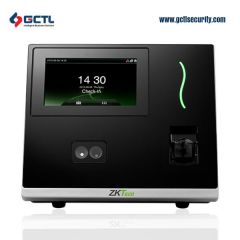
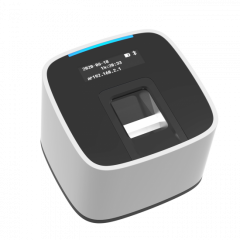
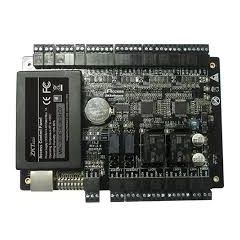
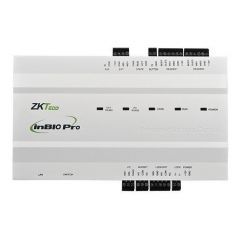
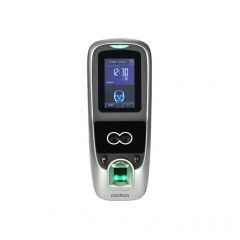
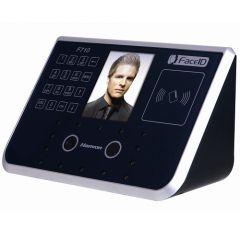
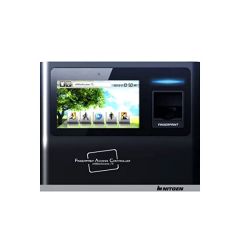
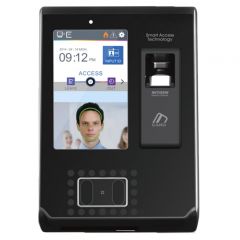
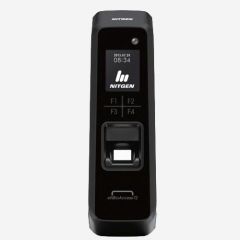
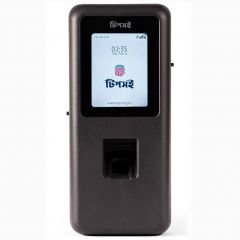
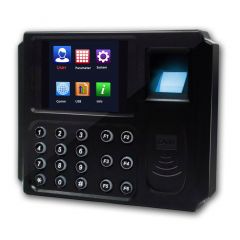
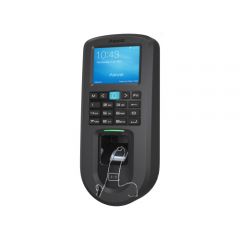
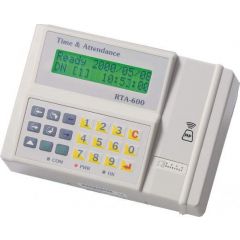
Fingerprint Time Attendance Machine
Managing employee attendance accurately is a daily challenge for many organizations in Bangladesh. Manual registers, sign sheets, and basic punch systems often lead to errors, delays, and “buddy punching” (one employee marking attendance for another). This is why businesses, factories, schools, hospitals, and corporate offices are upgrading to a Fingerprint Time Attendance Machine—a reliable biometric solution that records entry/exit time automatically and builds clean attendance data for HR and payroll.
A fingerprint attendance system is not only about tracking time. It improves discipline, reduces payroll disputes, supports shift management, and helps organizations build a more transparent workforce policy. In Bangladesh, demand is growing rapidly because modern devices now offer fast fingerprint scanning, multiple verification modes, and easy data export through USB, LAN, Wi-Fi, and cloud dashboards.
Time Attendance Machine Price Range in BD 2026
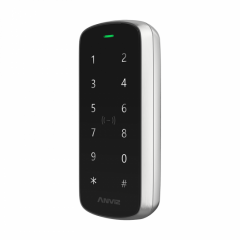
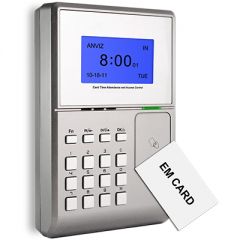
If you need a non-biometric option, digital time attendance machines offer efficient tracking through RFID cards and PIN codes.
Prices are expected to remain stable in 2026, with slight variations due to technological advancements and market demand.
What is a Fingerprint Time Attendance Machine?
A Fingerprint Time Attendance Machine is a biometric device that records employees’ attendance using fingerprint identification. Instead of signing on paper, employees place a finger on the scanner to log check-in and check-out times. The machine stores attendance logs and can export them to a computer or HR system for reporting and payroll processing.
Most modern devices support:
-
Fingerprint authentication (primary method)
-
RFID card (optional backup)
-
PIN/password (optional)
-
Face recognition (in advanced models)
Fingerprint attendance machines are widely used because fingerprints are unique and harder to share than cards or PIN codes.
Why Organizations Use Fingerprint Attendance Systems
1) Prevents proxy attendance
Fingerprint verification reduces false attendance entries because the device records an identity match, not just a card tap.
2) Faster check-in during busy hours
Good devices verify a fingerprint quickly, which helps during factory shift changes or office peak hours.
3) Cleaner payroll data
Accurate logs allow HR to calculate:
-
Total working hours
-
Late entries
-
Early exits
-
Overtime
-
Absences
4) Supports compliance and workforce management
Industries with strict HR policies benefit from detailed audit trails and time logs.
5) Scales from small offices to large factories
Some devices support hundreds of users, while enterprise models support thousands and multi-branch setups.
How a Time Attendance Machine Works
-
Enrollment: Each employee’s fingerprint template is registered in the device database.
-
Verification: Employee touches the scanner to verify identity.
-
Logging: Device stores time + user ID + event type (IN/OUT).
-
Export or Sync: Data is transferred via USB, LAN, Wi-Fi, or cloud software.
-
Reports: HR generates attendance, overtime, and payroll summaries.
Types of Time Attendance Machines
1. Biometric Attendance Machines
2. RFID Card-Based Attendance Systems
3. PIN or Password-Based Systems
4. Hybrid Time Attendance Machines
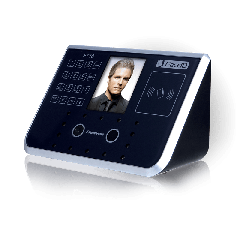
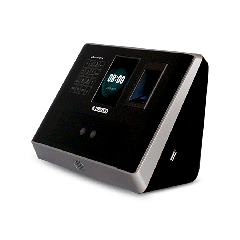
5. Facial Recognition Attendance Machine
- Facial recognition devices use advanced AI algorithms to identify employees based on their facial features.
Key Features to look for before buying
1) Capacity (Users & Logs)
Choose based on your workforce size:
-
Small office: 50–200 users
-
Medium business: 200–1,000 users
-
Large factory: 1,000–10,000+ users
2) Communication Options
3) Backup Verification Modes
Fingerprint is primary, but many organizations also want:
4) Speed & Accuracy
A reliable device should scan quickly and handle repeated use in real working environments.
5) Power & Battery Backup
Power instability exists in many areas. Battery backup or stable power support is useful for continuous operation.
6) Software Compatibility
Ensure the device supports:
Applications of Time Attendance Machines in Bangladesh
Time attendance machines serve a variety of purposes in Bangladesh. Let’s explore some key applications:
-
Workforce Management:
Businesses use these devices to track employee hours accurately, reducing payroll disputes. For example, a garment factory in Savar might rely on a biometric attendance machine to monitor shift workers.
-
Payroll Management:
Accurate attendance data helps organizations calculate salaries, overtime, and bonuses more efficiently.
-
Compliance with Labor Laws:
Time attendance systems ensure that businesses comply with labor regulations, such as maximum working hours and overtime policies.
-
Educational Institutions:
Schools and universities adopt fingerprint time attendance devices to record student presence, eliminating manual roll calls. This saves time and ensures accountability.
-
Government Compliance:
In sectors like telecom and banking, biometric machines help meet regulatory requirements, such as verifying identities for SIM registration or secure transactions.
-
Access Control:
Beyond attendance, many machines double as security tools, restricting entry to authorized personnel only. This dual functionality appeals to offices in Dhaka’s commercial hubs.
How to Choose the Best Time Attendance Machine
Step 1: Decide your use case
Step 2: Pick the right verification modes
If you want strong accuracy at affordable cost:
-
Fingerprint + LAN is a good standard
If you want flexibility:
-
Fingerprint + Card + Wi-Fi
If you want premium contactless:
-
Face + Finger multi-biometric
Step 3: Choose software level
-
Basic reporting: fine for small organizations
-
Shift + overtime + payroll rules: better for factories and growing companies
-
Cloud dashboards: ideal for chain businesses with multiple locations
Step 4: Support & after-sales matters
Check suppliers and compare time attendance machine prices in Bangladesh before making a decision. The best system is not only the device installation, training, warranty and service that often decide long-term success.
Common Problems & Practical Fixes
Fingerprint not recognizing fast
Fix: re-enroll fingerprints, clean sensor, adjust sensitivity, use better-quality enrollment.
Data mismatch in reports
Fix: ensure correct device time settings, attendance rules, and proper IN/OUT logic.
Network disconnect issues
Fix: use stable LAN, assign static IP, or choose devices with offline mode and later sync.
Why Buy from a Trusted Supplier in Bangladesh
When buying a fingerprint time attendance machine, the lowest price is not always the best value. A proper supplier should provide:
-
Original device sourcing
-
Device configuration and installation guidance
-
Software setup and training
-
Warranty and after-sales support
-
Upgrade options for future expansion
This is especially important for organizations that need reliable long-term attendance reporting.
Final Thought
A Fingerprint Time Attendance Machine is one of the most practical and cost-effective upgrades for modern workforce management in Bangladesh. It reduces attendance fraud, improves payroll accuracy, and supports disciplined HR operations. In 2026, prices will continue to depend on connectivity, capacity, and software needs—but with a clear plan and the right supplier, you can choose a device that fits your budget and scales with your organization.
FAQs
1) What is the best fingerprint time attendance machine for a small office in Bangladesh?
A standard fingerprint device with LAN connectivity and basic reporting is usually the best choice for small offices because it is affordable and reliable.
2) Can fingerprint attendance machines work without the internet?
Yes. Most devices store logs locally and can export by USB or sync later via LAN/Wi-Fi.
3) Is fingerprint attendance better than RFID card attendance?
Fingerprint is generally more secure because cards can be shared or lost, while fingerprints are unique per person.
4) Can a time attendance machine integrate with payroll software?
Yes. Many systems export Excel/CSV and can integrate with HR/payroll workflows through software or API (depending on model).