




















Fire Alarm System in Bangladesh for Building, Factory and Office Safety
A Fire Alarm System is one of the most important safety solutions for buildings, factories, garments, offices, hospitals, schools, banks, warehouses, shopping malls, apartments and commercial facilities in Bangladesh. It helps detect fire-related risks early and alerts people through alarm sounders, bells, sirens, strobes or notification devices so that quick action can be taken.
A Fire Alarm System in Bangladesh is commonly used in factories, garments, corporate offices, commercial buildings, schools, hospitals, warehouses, hotels, apartments and public facilities. The main purpose is to detect smoke, heat, flame, gas or manual alarm activation and alert building occupants before a fire incident becomes more dangerous.
For factories and garments, a fire alarm system helps monitor production floors, storage zones, electrical rooms, generator rooms, warehouses and worker areas. For offices and commercial buildings, it helps protect rooms, corridors, electrical zones, server areas and public spaces. For hospitals, schools and shopping malls, fire alarm planning is important because many people may need safe and quick warning during an emergency.
A complete fire detection and alarm system may include fire alarm control panel, smoke detector, heat detector, multi sensor detector, manual call point, fire alarm bell, siren, sounder, strobe, module, cable, battery backup and installation support. For larger projects, the system may also require fire suppression, hydrant system, fire resistance door and security integration.
Fire Alarm System Price in Bangladesh by Type and Project Size
Fire Alarm System Price in Bangladesh commonly starts from ৳2,000 to ৳10,000,00 depending on system type (conventional or addressable), number of zones/loops, detector quantity (fire detector & smoke detection), panel capacity, cable length and additional features such as strobe/sounder integration, battery backup and remote monitoring options. Get the best fire alarm system price and complete installation support from Germany Computer & Telecom Ltd. (GCTL), a trusted importer, distributor and supplier in Bangladesh.
Before buying a Fire Alarm System in Bangladesh, buyers should compare more than only product price. Fire alarm panel type, number of zones or loops, detector quantity, building layout, wiring requirement, notification devices, installation quality, testing, commissioning, maintenance and after-sales support all affect long-term performance. That is why GCTL Security focuses on complete fire detection, alarm and fire safety solutions, not only product supply.
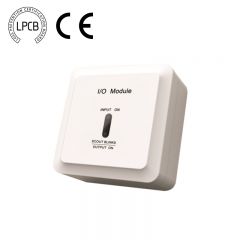
For a small project, price may depend on conventional panels, smoke detectors, heat detectors, manual call points, sounders and basic installation. For a medium or large project, price may depend on addressable panel, loop capacity, device address identification, input-output modules, loop isolator modules, fire alarm bell, siren, strobe sounder, detector coverage and system design.
The best way to get the latest Fire Alarm System Price in Bangladesh is to request a quotation based on your project type, building layout, number of floors, detector requirement and installation scope.
Main Types of Fire Alarm Systems
Different fire alarm systems are designed for different building sizes and safety requirements. The right system depends on whether the project needs zone-based monitoring, device-level identification, large building coverage, advanced integration or simple fire detection.
Addressable Fire Alarm System
An Addressable Fire Alarm System is suitable for large buildings, factories, hospitals, hotels, shopping malls, corporate offices, universities, warehouses and commercial projects where exact device location identification is important. In an addressable system, each detector, manual call point or module can have a unique address, making it easier to identify the exact alarm or fault location.
Addressable systems are useful when a project needs better control, faster troubleshooting, advanced monitoring and scalable design. Depending on project size, buyers may compare 1 Loop Panel, 2 Loop Panel and 4 Loop Panel options.
Conventional Fire Alarm System
A Conventional Fire Alarm System is commonly used for small to medium projects where zone-based fire detection is enough. It divides the building into zones, and when an alarm occurs, the panel shows the affected zone instead of a specific device address.
Conventional systems are practical for small offices, shops, apartments, small warehouses, restaurants and basic building safety projects. They are often selected when the buyer needs a reliable fire detection system with a more budget-friendly structure.
Fire Alarm Control Panel
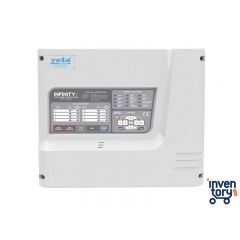
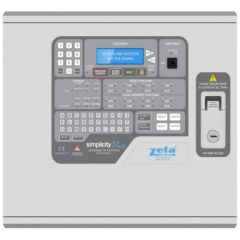
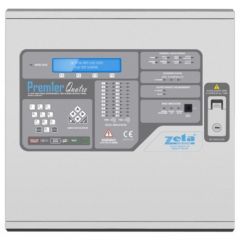
The fire alarm control panel is the main control unit of a fire alarm system. It receives signals from detectors, manual call points and connected devices, then activates alarms, sounders, bells, sirens, strobes or other notification devices depending on system design.
For conventional systems, buyers may compare zone panels such as 2 zone, 4 zone or 8 zone fire alarm panels. For addressable systems, buyers may compare loop-based panels such as 1 loop, 2 loop or 4 loop panels depending on the number of devices and project size.
Smoke Detector, Heat Detector and Multi Sensor Detector
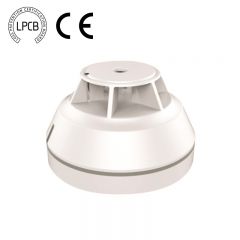
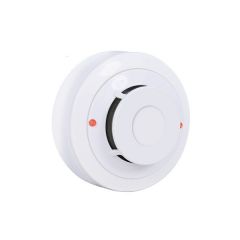
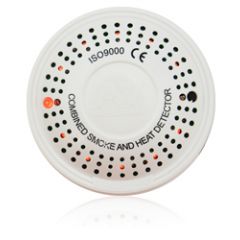
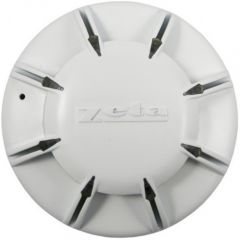
Smoke detectors, heat detectors and multi sensor detectors are important parts of fire detection. An Addressable Smoke Detector or Conventional Smoke Detector is suitable for areas where smoke may appear at the early stage of a fire.
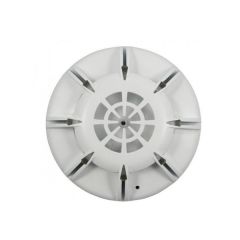
An Addressable Heat Detector or Conventional Heat Detector is useful for areas where dust, steam or environmental conditions may not be suitable for smoke detection. An Addressable Multi Sensor Detector can combine multiple detection methods depending on system design.
Manual Call Point, Fire Alarm Bell, Siren and Sounder
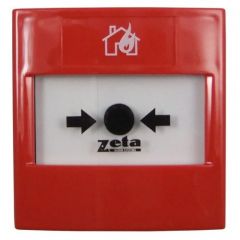
A manual call point allows people to manually activate the fire alarm during an emergency. An Addressable Call Point is commonly used in addressable systems and is placed in accessible locations such as corridors, exits, stair areas and public zones.
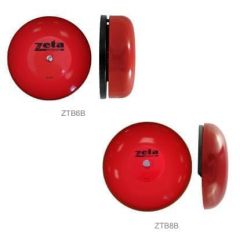
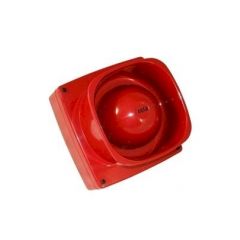
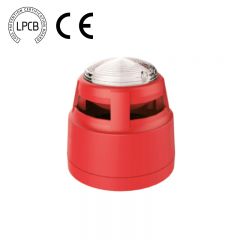
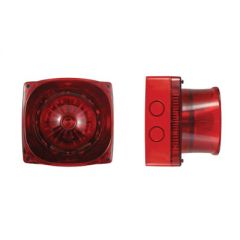
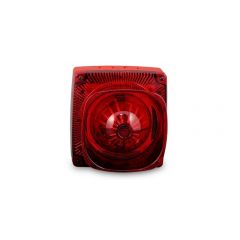
Fire Alarm Bell and Siren, sounder and strobe devices are used to alert people with audible or visual warning. These devices are important for quick evacuation and emergency response.
Beam Smoke Detector, Flame Detector and Gas Detector
A Beam Smoke Detector is useful for large open areas such as warehouses, halls, factories, auditoriums, shopping malls and high-ceiling spaces. It can monitor a wider area where normal point detectors may not be practical.
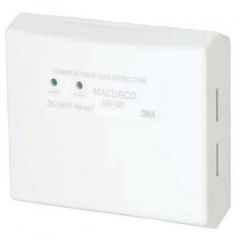
A Flame Detector is suitable for high-risk industrial areas where flame detection is important. An Addressable Gas Detector can be used in specific environments where gas leakage or hazardous atmosphere monitoring is required.
Fire Detection, Fire Suppression and Fire Safety Solutions
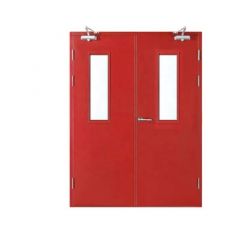
A fire alarm system is only one part of a complete fire safety plan. Depending on the building type and risk level, a project may also require fire suppression, fire hydrant, fire extinguisher, fire resistance door, emergency accessories and proper evacuation planning.
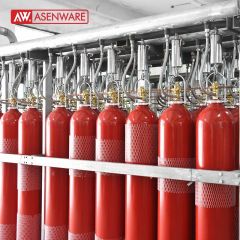
GCTL Security provides fire safety-related solutions such as Fire Hydrant System, Fire Extinguisher, Gas Fire Suppression System, Fire Resistance Door and Fire Fighting Accessories for different residential, commercial and industrial projects.
For server rooms, data centers, electrical rooms and sensitive equipment areas, gas fire suppression may be considered depending on risk assessment and project requirement. For factories, warehouses and large facilities, hydrant systems and fire extinguishers are also important parts of fire safety planning.
Which Fire Alarm System Is Right for Your Use Case
The right fire alarm system depends on building size, floor layout, occupancy type, fire risk, detector requirement, installation environment and budget. A small office may need a conventional system, while a factory, hospital, hotel or commercial building may need an addressable system with better monitoring and device identification.
Fire Alarm System for Factory and Garments
Factories and garments need reliable fire detection for production floors, storage areas, electrical rooms, generator rooms, warehouses, worker zones and emergency exits. Addressable fire alarm systems are often suitable for larger factories because they help identify alarm location more accurately.
Fire Alarm System for Office and Commercial Building
Offices and commercial buildings need fire detection for rooms, corridors, stair areas, server rooms, electrical zones and public spaces. Depending on the building size, both conventional and addressable systems can be considered.
Fire Alarm System for Hospital and Healthcare Facility
Hospitals need strong fire detection and alarm planning because patients, visitors and staff may require organized evacuation support. Addressable fire alarm systems, smoke detectors, heat detectors, notification devices and proper zone planning can help improve safety management.
Fire Alarm System for School and University
Schools, colleges and universities need fire alarm systems for classrooms, labs, libraries, admin rooms, halls, corridors and dormitory areas. Proper detector selection and alarm notification planning are important for student and staff safety.
Fire Alarm System for Warehouse and Storage Area
Warehouses and storage facilities may need smoke detectors, beam smoke detectors, heat detectors, manual call points and sounder systems depending on storage height, material type and building layout. Large warehouses may require addressable systems or beam detection for better coverage.
Fire Alarm System for Apartment and Residential Building
Apartments and residential buildings need fire alarm planning for common areas, corridors, parking areas, electrical rooms, generator rooms and emergency exits. The system should be selected based on building height, occupancy and safety requirement.
Fire Alarm Brand and Technology Comparison
Several fire alarm technologies and brands are available in Bangladesh. The right choice depends on project size, system type, detector requirement, warranty, compatibility, installation quality and after-sales support.
| Brand / System Type | Key Strengths | Best For | Important Consideration |
|---|---|---|---|
| Asenware Addressable Fire Alarm System | Addressable panels, detectors, modules and scalable system options | Factories, commercial buildings, hospitals, hotels and larger projects | Loop capacity, device quantity and system design should be planned properly |
| Asenware Conventional Fire Alarm System | Zone-based panels and basic fire detection components | Small offices, shops, apartments and medium projects | Zone planning and detector placement are important |
| Zeta Conventional Fire Alarm System | Conventional panels, smoke detectors, call points and notification devices | Offices, shops, commercial spaces and standard fire alarm projects | Product compatibility and installation quality should be checked |
| Addressable Fire Alarm Technology | Device-level identification and better fault/location monitoring | Large buildings, factories, hospitals and multi-floor facilities | Higher planning accuracy and professional installation are required |
| Conventional Fire Alarm Technology | Simple zone-based monitoring and practical cost structure | Small to medium buildings and basic safety projects | It identifies zone area, not always exact device location |
| Gas Fire Suppression System | Fire suppression for selected high-value or sensitive areas | Server rooms, data centers, electrical rooms and technical spaces | Design must match room size, risk type and safety requirement |
| Beam Smoke Detection | Wide area smoke detection for large spaces | Warehouses, halls, factories and high-ceiling areas | Beam alignment and installation height matter |
Things to Consider Before Buying a Fire Alarm System in Bangladesh
Before buying a Fire Alarm System in Bangladesh, check your real safety requirement instead of choosing only by panel or detector price. A professional fire detection and alarm system depends on correct design, device selection, installation, testing and maintenance.
Important buying factors include:
- Building type, size and number of floors
- Factory, office, hospital, school, warehouse or apartment requirement
- Addressable or conventional fire alarm system requirement
- Number of zones or loops
- Smoke detector, heat detector or multi sensor detector requirement
- Manual call point placement
- Fire alarm bell, siren, sounder and strobe requirement
- Beam smoke detector, flame detector or gas detector requirement
- Wiring, cable route and installation condition
- Battery backup and power supply requirement
- Testing, commissioning and maintenance support
- Integration with fire suppression, CCTV, access control or automation system
For better results, a fire alarm system should be planned after understanding building layout, fire risk, occupancy type and emergency response requirement. Proper design and installation can reduce false alarms, improve detection coverage and support safer emergency response.
Addressable Fire Alarm System vs Conventional Fire Alarm System
Addressable and conventional fire alarm systems both detect fire-related events, but they work differently. Conventional systems are zone-based, while addressable systems can identify individual devices depending on system design.
| Comparison Point | Addressable Fire Alarm System | Conventional Fire Alarm System |
|---|---|---|
| Main Purpose | Advanced fire detection with device-level identification | Basic to mid-level fire detection with zone-level identification |
| Detection Method | Each connected device can have a unique address | Devices are grouped by zones |
| Best Use | Factories, hospitals, hotels, commercial buildings and large projects | Small offices, shops, apartments and medium buildings |
| Fault Identification | Easier to identify specific device or location | Shows affected zone, not always exact device |
| Scalability | Better for larger and expandable systems | Practical for smaller systems |
| Installation Planning | Requires detailed design and professional configuration | Simpler design compared to addressable systems |
| Cost Structure | Usually higher due to advanced features and system capacity | Usually more budget-friendly for basic projects |
For large buildings and critical facilities, addressable fire alarm systems are usually more practical because they provide better monitoring and faster fault identification. For smaller projects, conventional fire alarm systems can still be a reliable and cost-effective choice.
Complete Fire Safety Integration with CCTV, Access Control and Automation
A Fire Alarm System works best when it is part of a complete safety and security plan. Depending on the site, it can be integrated with CCTV, access control, automation, entrance security and intelligent video analytics for better monitoring and response.
A commercial building may need fire alarm with CCTV monitoring and access control. A factory may need fire alarm with fire suppression, hydrant, CCTV and entrance security. A smart building may need fire alarm integration with Smart Automation Solution for better operational control.
For complete safety and security planning, GCTL Security can connect fire alarm projects with CCTV Camera, Access Control and Time Attendance System, Entrance Security Solutions and Intelligent Video Analytics depending on project requirement.
Why Choose GCTL Security for Fire Alarm System in Bangladesh
GCTL Security provides security and automation products in the Bangladesh market with a focus on practical solution planning, professional product selection and after-sales support. We understand that every building, factory and organization has different fire safety requirements, so we help customers choose the right Fire Alarm System based on actual use case, not only product name or price.
GCTL Security supports you with:
- Fire Alarm System supply in Bangladesh
- Addressable Fire Alarm System consultation
- Conventional Fire Alarm System solution planning
- Fire alarm control panel, smoke detector and heat detector support
- Manual call point, fire alarm bell, siren and sounder options
- Beam smoke detector, flame detector and gas detector guidance
- Fire hydrant, fire extinguisher and gas fire suppression solution support
- Fire alarm installation guidance, testing and commissioning support
- CCTV, access control, automation and security integration support
- Project quotation and after-sales service consultation
Buy Fire Alarm System in Bangladesh from GCTL Security
If you are looking for the latest Fire Alarm System Price in Bangladesh, GCTL Security can help you compare the right fire alarm panel, detector type, notification device, system design, installation scope and budget. Whether you need an addressable fire alarm system for a factory, a conventional fire alarm system for an office, smoke detectors for a building, heat detectors for a technical area, or a complete fire detection and fire safety solution, our team can guide you with the right solution.
Contact GCTL Security today to get the latest price, product recommendation and project quotation for Fire Alarm System in Bangladesh.
Frequently Asked Questions About Fire Alarm System
1. What is the price of Fire Alarm System in Bangladesh?
The price of Fire Alarm System in Bangladesh depends on system type, panel capacity, number of detectors, number of zones or loops, brand, installation work, testing, commissioning and maintenance requirements. Contact GCTL Security for the latest project-wise quotation.
2. What is a Fire Alarm System?
A Fire Alarm System is a safety system used to detect smoke, heat, fire, gas or manual alarm activation and alert people through alarms, sirens, bells, sounders or visual notification devices.
3. What is the difference between addressable and conventional fire alarm systems?
An addressable fire alarm system can identify individual devices or exact locations depending on system design, while a conventional fire alarm system shows alarm information by zone. Addressable systems are better for larger projects, while conventional systems are practical for smaller projects.
4. Which fire alarm system is best for factory or garments?
For factories and garments, addressable fire alarm systems are usually more practical for larger areas because they provide better monitoring and location identification. The final selection depends on building size, risk level, detector quantity and safety requirement.
5. Which fire alarm system is best for office or shop?
For small offices or shops, a conventional fire alarm system can be suitable if the coverage area is limited. For multi-floor offices or commercial buildings, an addressable system may be better.
6. What are the main components of a Fire Alarm System?
Main components include fire alarm control panel, smoke detector, heat detector, manual call point, fire alarm bell, siren, sounder, strobe, module, cable, battery backup and related accessories.
7. What is a smoke detector?
A smoke detector is a fire detection device that senses smoke particles and sends an alarm signal to the fire alarm system. It is commonly used in rooms, corridors, offices, commercial spaces and many indoor areas.
8. What is a heat detector?
A heat detector senses temperature rise or fixed heat level depending on the model. It is useful for areas where smoke detectors may not be suitable due to dust, steam or environmental conditions.
9. Can fire alarm systems be integrated with CCTV and access control?
Yes, fire alarm systems can be integrated with CCTV, access control, automation and other security systems depending on project requirement and system compatibility.
10. Does GCTL Security provide fire alarm installation support?
Yes, GCTL Security provides product recommendation, project consultation, installation guidance, testing, commissioning and after-sales service consultation for Fire Alarm System projects in Bangladesh.