Palm Recognition Access Control Terminal
Security in Bangladesh is evolving fast—offices, factories, schools, hospitals, and high-security facilities are moving beyond traditional keys and RFID cards. One of the most modern upgrades is Palm Recognition Access Control, a touchless biometric solution that verifies a person using unique palm patterns (often palm vein + palm print). Palm Recognition Access Control Terminals stand out as a cutting-edge solution for secure and seamless access management. These devices are gaining popularity in Bangladesh due to their high accuracy, hygiene, and ease of use.
Palm Recognition Price Range in BD 2026
| Brand |
Model |
Features |
Estimated Price (BDT) |
| ZKTeco |
ProFace X |
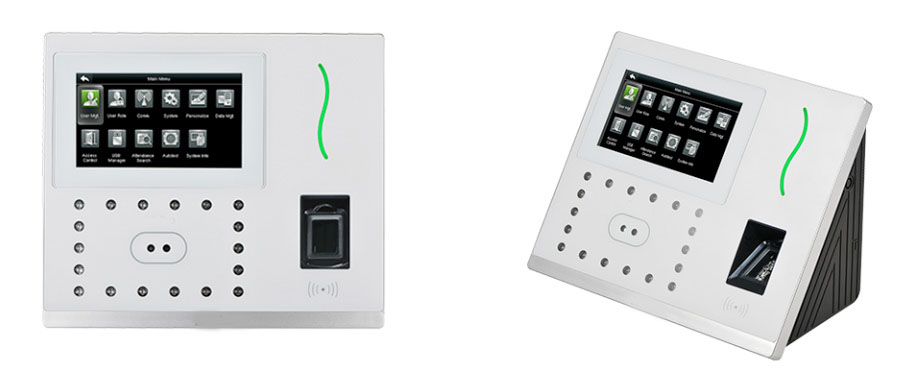
Palm, Face & RFID Recognition |
৳20,000 – ৳35,000 |
| Suprima |
BioEntry Palm Scanner |
High-Security Vein Recognition |
৳35,000 – ৳70,000 |
| Granding |
GT810 |
Granding Palm Recognition |
৳30,000 – ৳40,000
|
What is Palm Recognition Access Control?
Palm Recognition Access Control is a biometric entry system that authenticates users by scanning and matching the unique features of a person’s palm. Depending on the device, the system may use:
-
Palm vein recognition (vein patterns beneath the skin)
-
Palm print recognition (surface pattern)
-
Combination of both for higher accuracy
Unlike traditional fingerprint systems, palm recognition is usually contactless or near-contact, which improves hygiene and reduces sensor wear. Your existing page also explains palm recognition as a biometric method based on unique palm vein structure, highlighting contactless operation and security benefits.
How Does a Palm Recognition Access Control Terminal Work?
Palm recognition technology uses near-infrared light to capture the vein patterns beneath the skin’s surface. Here’s how it works:
-
Image Capture: The device scans the user’s palm using near-infrared light.
-
Pattern Extraction: The system extracts the unique vein pattern and converts it into a digital template.
-
Verification: The template is compared with the stored data to verify the user’s identity.
-
Access Granting: If the verification is successful, access is granted.
This process is fast, accurate, and contactless, making it ideal for high-traffic environments.

STEP 1: Palm Recognition
When a palm is presented close to the camera, the camera will first function as the palm recognition process to identify whether the detected area is a palm. If the nearing object is not a palm, it will stop the further recognition process. If the nearing object is a palm, it will process to the next step.
STEP 2: Palm Print Recognition
After the palm recognition process, the infrared camera will get activated and process palm-print recognition and palm vein recognition simultaneously. The camera will recognize the feature point of the palm print and cross-check with the database.
STEP 3: Palm Vein Recognition
Meanwhile, the infrared camera will use the infrared light to observe the palm vein, which is not naked to the human eye, as same as the palm print. It will then recognize the feature point of the palm vein and then cross-check with the database for its availability.
Why Palm Recognition is a Smart Choice
Palm recognition is gaining adoption because it solves problems that many Bangladeshi organizations face:
1) Touchless Hygiene & Faster Access
In crowded workplaces, biometric devices must remain reliable even with frequent use. Touchless palm systems reduce direct contact and help maintain smooth entry flow.
2) Strong Security for High-Risk Areas
Palm vein patterns are internal and extremely difficult to fake, making them suitable for high-security environments.
3) More Stable for Certain Users Than Fingerprint
Some users have fingerprint challenges due to work conditions (dust, wear, rough hands). Palm recognition can be a more consistent alternative.
4) Ideal for Integrated Access + Attendance
Many palm terminals also support attendance logging, which is useful for factories, multi-shift businesses, and organizations that need reliable time records.
Applications of Palm Recognition Access Control Terminals in Bangladesh
Palm Recognition Access Control Terminals are versatile and can be used in various sectors. Here are some key applications in Bangladesh:
1. Corporate Offices
These devices are ideal for securing office premises and tracking employee attendance.
2. Factories and Industries
In industrial settings, palm recognition terminals can control access to restricted areas and monitor shift workers.
3. Educational Institutions
Schools and universities can use these devices to manage staff and student attendance.
4. Healthcare Facilities
Hospitals and clinics can use palm recognition systems to secure sensitive areas and manage staff schedules.
5. Government Buildings
Government institutions can enhance security by using palm recognition terminals for access control.
Types of Biometric Access Control Systems
1. Palm Recognition Access Control Systems
-
Uses vein mapping technology
-
Completely contactless for hygienic access
-
High security as vein patterns are nearly impossible to forge
2. Facial Recognition Access Control Systems
-
Identifies users by scanning facial features
-
Works well in low-light and high-traffic areas
-
Some models require mask detection for COVID-19 safety
3. Fingerprint-Based Access Control Systems
-
Most common biometric access system
-
Offers fast authentication but requires physical contact
-
Used in offices, factories, and government buildings
4. RFID Card-Based Access Systems
Benefits of Palm Recognition Access Control Terminals
Palm Recognition Access Control Terminals offer numerous benefits, making them a preferred choice for organizations in Bangladesh:
-
Enhanced Security: Palm vein patterns are nearly impossible to replicate, ensuring a high level of security.
-
Hygienic Solution: Contactless operation reduces the risk of germ transmission.
-
Improved Efficiency: Automates access control and attendance management, saving time and reducing errors.
-
Scalability: Suitable for small businesses and large enterprises alike.
-
Compliance: Helps organizations meet regulatory requirements for security and workforce management.
Effects of Palm Recognition Access Control Price
If two palm access control devices look similar but have different prices, it usually comes down to these factors:
1) Authentication Modes (Palm Only vs Multi-Biometric)
-
Palm only terminals are often cheaper than premium models
-
Palm + RFID is common for flexible office use
-
Palm + Face + RFID is premium and ideal for higher security or stricter access rules
2) Capacity (Users & Logs)
3) Speed & Accuracy (Algorithm Quality)
Better devices authenticate faster and maintain accuracy in challenging lighting or busy entry points.
4) Connectivity Options
-
USB (offline) is budget-friendly
-
TCP/IP (LAN) is standard for centralized access systems
-
Wi-Fi adds convenience but can increase cost
-
Cloud integration may add recurring software costs
5) Software & Management Needs
Some customers only need door access, while others need:
6) Installation & Accessories
Total project pricing can include:
-
Electromagnetic locks / drop bolts
-
Exit button
-
Door sensor
-
Access controller (if multi-door)
-
Cabling, power, UPS/backup
-
Mounting, testing, training
How to Choose the Best Palm Recognition Access Control Terminal?
Consider Security Needs
Check Connectivity Options
Look for High-Speed Recognition
Compare Prices & Features
Check palm recognition access control terminal price in Bangladesh 2025 before purchasing.
Palm Recognition Access Control vs Fingerprint vs Face Recognition
Choosing the right biometric depends on environment and security requirements.
Palm vs Fingerprint
Palm advantages
-
More hygienic (near-contact/touchless)
-
Better for users with worn fingerprints
-
Often higher resistance to spoofing (especially palm vein)
Fingerprint advantages
Palm vs Face
Palm advantages
Face advantages
For many Bangladesh deployments, a Palm + Face hybrid can be an excellent “future-proof” solution.
Best Use-Cases in Bangladesh
Palm recognition access control is ideal for:
Corporate Offices
Factories & Industrial Facilities
Schools, Colleges, Universities
Hospitals & Clinics
-
Secure entry for medicine storage, labs, staff-only areas
-
Touchless option supports hygiene standards
Government & High-Security Buildings
How to Choose the Best Palm Recognition Terminal
Use this checklist to avoid wrong purchases:
Step 1: Define Your Goal
Step 2: Decide Single Door vs Multi Door
Step 3: Decide Authentication Rule
Examples:
Step 4: Confirm Connectivity and Network Stability
For Bangladesh:
Step 5: Choose a Supplier with Local Support
A high-end biometric device without proper installation/training often creates user complaints. A professional supplier should provide:
Final Thought
If you want a modern, high-security, and hygienic biometric solution, Palm Recognition Access Control is one of the strongest upgrades for Bangladesh in 2026. Pricing depends mainly on whether you choose palm-only, palm + RFID, or premium palm + face systems, along with capacity, connectivity, and software requirements. For the best results, don’t compare price only—compare the total value: accuracy, stability, warranty, installation quality, and after-sales support.
FAQs
1) What is the starting price of palm recognition access control in Bangladesh?
Most entry or hybrid palm terminals typically start around the mid-price range, while advanced palm vein systems cost more depending on features and capacity.
2) Is palm recognition better than fingerprint?
For hygiene and for users with worn fingerprints, palm recognition can be better. For tight budgets, fingerprint remains a strong option.
3) Can palm recognition terminals work for attendance too?
Yes. Many palm access terminals can store attendance logs and support reporting, especially in multi-shift workplaces.
4) Does palm recognition require the internet?
Not always. Many systems run offline or LAN-based. Cloud monitoring requires internet.
5) How long does the installation take?
For a single door, installation can often be completed quickly; multi-door projects require planning, wiring, and testing.