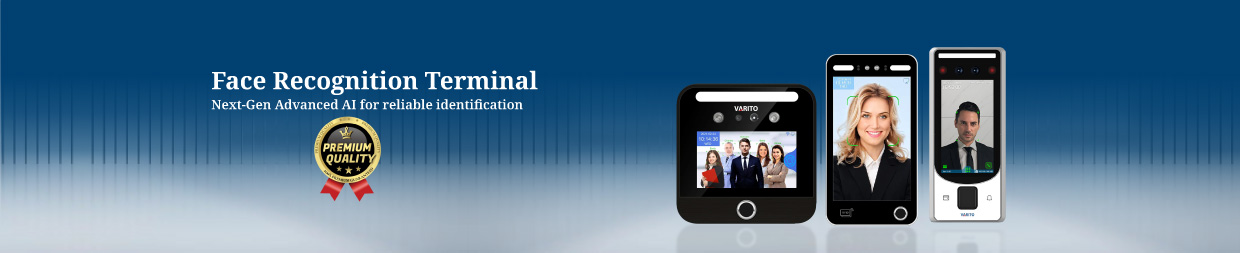
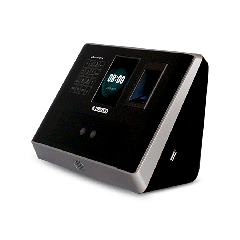
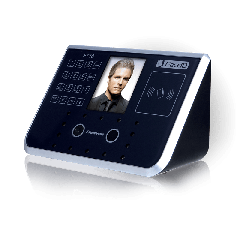
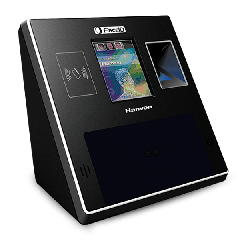
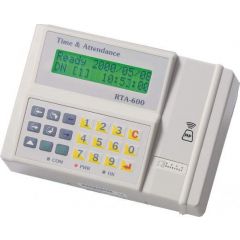
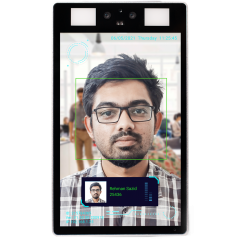
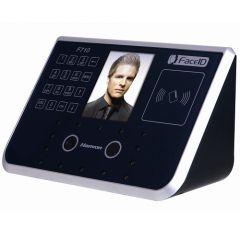
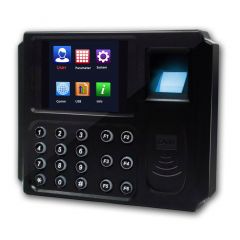
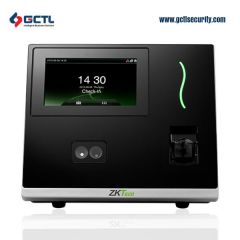
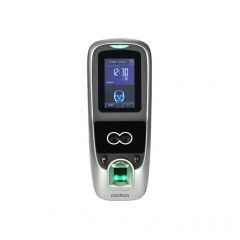
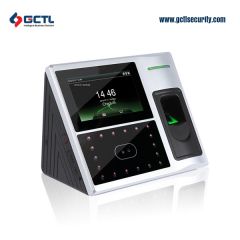
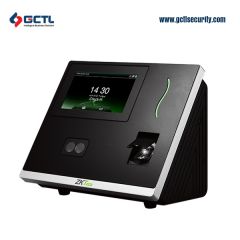
Facial Recognition Access Control Price in BD
Security and attendance management in Bangladesh is changing quickly. Offices, factories, schools, hospitals, and commercial buildings are moving away from traditional keys and manual registers. The reason is simple: keys can be copied, ID cards can be shared, and manual attendance creates errors. To solve these problems, more organizations are choosing Facial Recognition Access Control—a modern biometric solution that controls entry and records attendance using a person’s face.
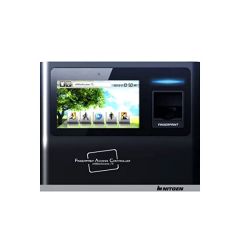
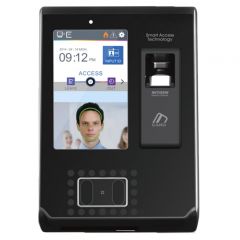
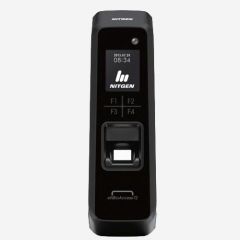
Facial Recognition Access Control Price in Bangladesh starts from ৳45,000 – ৳75,000 depending on device brand and model, face capacity, log storage, camera quality, recognition speed, communication (TCP/IP, WiFi, USB), integrated RFID/fingerprint/PIN features, access control functions, installation complexity, lock type, and warranty support.
Face Recognition Access Control Price Range in 2026
The Face Recognition Access Control Price in Bangladesh varies based on brand, features, and installation costs. Here is an estimated price range:
| Brand |
Price in (BDT) |
| VARITO VT-8255H Fingerprint & Face Recognition Terminal |
৳ 45,000 - ৳ 65,000 |
| Anviz FaceDeep 3 Smart Face Recognition Terminal |
৳ 45,000 - ৳ 65,000 |
| ZKTeco uFace800 facial time attendance access control terminal |
৳ 45,000 - ৳ 65,000 |
| Suprema FaceStation 2 Face recognition terminal |
৳ 45,000 - ৳ 75,000 |
| VIRDI UBio-X Pro Access Control & Time Attendance System |
৳ 45,000 - ৳ 65,000
|
Key Features That Affect Facial Recognition Access Control Price
To rank and convert better, your category content should answer: “Why do prices vary?” Here are the most important factors:
1) Face User Capacity
How many users the device can store—500, 1,000, 3,000, 10,000+.
2) Log/Record Capacity
How many attendance/access logs can be stored—important for factories and busy entrances.
3) Recognition Speed & Accuracy
High-performance devices recognize faster and more accurately, especially during rush hours.
4) Camera Quality & Sensor
Better cameras handle low light, bright sunlight, and different angles.
5) Anti-Spoofing / Liveness Detection
A strong system should prevent fake attempts using photos or videos (important for secure premises).
6) Communication Mode
-
TCP/IP LAN: stable and recommended for offices/factories
-
WiFi: flexible but depends on router quality
-
USB: basic export for small setups
-
RS485/Wiegand/OSDP: for controller integration and advanced access setups
7) Integrated Authentication
Some devices are:
8) Access Control Functions
If you want door control, check for:
9) Warranty & After-Sales Support
In Bangladesh, after-sales support is crucial. Buyers prefer suppliers who can provide service, spare parts, and warranty support quickly.
What is Facial Recognition Access Control?
A Facial Recognition Access Control System is a biometric security solution that verifies a person’s identity using facial features and then allows or denies entry to a door, gate, or restricted area. It works by capturing a face image through a built-in camera and matching it with stored face templates in the device memory or connected software.
These systems are primarily used for:
-
Employee attendance tracking
-
Secure entry into offices, factories, and restricted zones
-
Multi-branch time management through cloud-based systems
- Touchless access control for high-risk areas
How Does Facial Recognition Access Control Work?
The system operates through a straightforward yet highly effective process:
-
Facial Scanning: A camera captures the user’s face, focusing on key features like the distance between the eyes, nose shape, and jawline.
-
Data Conversion: The captured image is converted into a digital template using advanced algorithms.
-
Matching: The system compares the template with stored data in its database.
-
Access Granting: If the facial features match, access is granted; otherwise, it is denied.
This entire process takes just a few seconds, ensuring quick and hassle-free access management.
Benefits of Face Recognition Access Control Systems
Why should you consider installing a Face Recognition Access Control System? The advantages are numerous, and they cater to both security and operational needs. Let’s dive into the key benefits.
1. Enhanced Security
Since facial features are unique to each individual, this system minimizes the risk of unauthorized access. Unlike keys or cards that can be stolen, a face cannot be easily replicated. Therefore, it offers a higher level of protection for sensitive areas like offices, warehouses, or data centers.
2. Convenience and Speed
With Face Recognition Terminals, there’s no need to fumble with keys or swipe cards. Users simply stand in front of the device, and access is granted instantly. This efficiency is particularly valuable in high-traffic environments like corporate buildings or educational institutions in Bangladesh.
3. Contactless Operation
In a post-pandemic world, hygiene matters more than ever. Face recognition eliminates the need to touch surfaces, reducing the spread of germs. As a result, it’s an ideal choice for hospitals, schools, and public facilities.
4. Integration with Other Systems
Modern Face Recognition Access Control Systems seamlessly integrate with attendance software, CCTV cameras, and alarm systems. For instance, employers can track employee check-ins while maintaining security logs, streamlining operations.
5. Cost-Effective in the Long Run
Although the initial investment might seem high, the system reduces costs over time. You won’t need to replace lost keys or update passwords frequently. Thus, it proves to be a smart financial decision for businesses in Bangladesh.
Applications of Facial Recognition Access Control
The versatility of Face Recognition Access Control Systems makes them suitable for various sectors. Here are some common applications in Bangladesh.
1. Corporate Offices
Businesses in Dhaka and other urban centers use these systems to secure office spaces. They protect confidential data and ensure only authorized personnel enter restricted zones.
2. Residential Complexes
Gated communities and apartment buildings increasingly adopt Face Recognition Terminals to enhance resident safety. Homeowners enjoy peace of mind knowing their property is secure.
3. Educational Institutions
Schools and universities implement these systems to monitor student attendance and restrict access to labs or libraries. This ensures a safe learning environment.
4. Healthcare Facilities
Hospitals use face recognition to limit entry to sterile areas, such as operating rooms. It also helps track staff movement efficiently.
5. Retail and Warehouses
Retail stores and logistics companies rely on this technology to prevent theft and manage employee access to stockrooms.
Transitioning to a broader perspective, the demand for Face Recognition Access Control in Bangladesh is rising. As urbanization accelerates, so does the need for advanced security solutions.
Facial Recognition Access Control vs Fingerprint: Which is Better?
Both are biometric systems, but facial recognition is becoming the preferred option for many Bangladesh workplaces.
Facial Recognition Benefits
Fingerprint Benefits
Best practice in Bangladesh:
For factories and high traffic entrances, face recognition is often smoother. For small offices with limited users, fingerprint may be more budget-friendly.
Best Use Cases in Bangladesh
Garments & Factories
Corporate Offices & Commercial Buildings
Schools, Universities, Coaching Centers
Hospitals, Clinics, Diagnostic Centers
-
Touchless entry for hygiene
-
Restrict access to OT, labs, medicine storage
Warehouses & Sensitive Storage
Face Time Attendance Machine
A Face Time Attendance Machine is a facial recognition device mainly used for employee attendance checking in and checking out while also offering access control features in many models. In Bangladesh, many buyers search both keywords together because they want one device that handles attendance + door access.
Why Businesses Prefer Face Attendance Devices
-
Touchless verification and better hygiene
-
Faster queue movement at entry points
-
Reduces “buddy punching”
-
Provides clean attendance logs for HR
-
Works well with shift-based operations
Common Features in Face Attendance Machines
-
Face registration with user ID
-
IN/OUT attendance modes
-
Shift and overtime reports (depending on software)
-
Export via USB or LAN
-
Optional WiFi connectivity
-
RFID card support for backup
Who Needs a Face Time Attendance Machine Most?
If you want strong attendance accuracy and smooth daily entry, face attendance is often the most convenient option.
How to Choose the Best Facial Recognition Access Control
Use this buyer checklist to avoid wrong purchases:
1) Estimate Number of Users
Choose a device that supports at least 20–30% more users than current staff.
2) Confirm Daily Traffic
If 200+ employees enter within a short time window, you need fast recognition performance.
3) Decide Authentication Backup
For Bangladesh workplaces, Face + RFID is a common safe combination.
4) Check Lighting Conditions
If the device is near sunlight or low-light areas, choose a model with good camera sensor quality.
5) Verify Software & Reporting Needs
If you need:
-
Late/early reports
-
Overtime calculations
-
Shift rules
-
Multi-branch control
Choose a solution with proper attendance software support.
6) Confirm Door Hardware Compatibility
The supplier should guide correct lock type selection for:
-
Glass doors
-
Wooden doors
-
Metal doors
-
Sliding doors
7) Prioritize Warranty & Support
Long-term reliability matters more than small price differences.
Final Thought
Choosing the right Facial Recognition Access Control system in Bangladesh is one of the smartest upgrades for modern security and HR automation. It provides touchless entry, stronger identity verification, faster attendance processing and accurate reporting for management.
The key to getting the best value is to look beyond the device price and consider: face capacity, log storage, recognition speed, camera quality, communication mode, software support, installation requirements, lock type and warranty coverage. Germany Computer & Telecom Ltd. (GCTL) is one of the leading suppliers of face recognition access control systems in Bangladesh. We offer top-quality devices through our e-commerce platform to businesses, factories, schools, and government offices across the country. If you're searching for the best Face Recognition Access Control Price in Bangladesh
Facial Recognition (FAQs)
1) Can facial recognition devices work without internet?
Yes. Most devices work offline. The Internet is only needed for cloud-based monitoring or remote attendance management.
2) Is facial recognition better than fingerprints in Bangladesh factories?
Often yes, because it is touchless and works better in dusty environments. It also speeds up entry for large staff groups.
3) Can a face attendance machine control a door lock?
Yes. Many models support door lock relay output and can operate EM locks or strike locks with proper installation.
4) Does facial recognition work in low light or sunlight?
Higher-quality models work better in difficult lighting conditions. For outdoor gates, choose devices designed for stronger lighting adaptability.
5) Can one device support both attendance and access control?
Yes. Many face terminals provide both attendance logs and door access control features in one unit.