














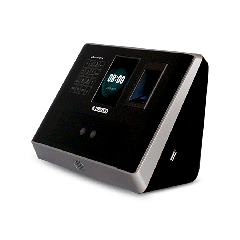


Access Control System Buying Factors in Bangladesh
An Access Control System is one of the most important security solutions for offices, factories, garments, banks, hospitals, schools, universities, apartments, warehouses, data centers and commercial buildings in Bangladesh. It helps organizations control who can enter a door, room, floor, gate or restricted area using RFID card, fingerprint, face recognition, PIN code or biometric verification.
GCTL Security supplies professional access control systems in Bangladesh for door security, employee entry management, visitor control, restricted area protection and time attendance integration. Whether you need a single door access control system for a small office, a biometric access control system for a factory, a face recognition access control system for a corporate building, or a complete door access control solution with lock, reader, controller and software. GCTL Security provides access control systems as project-based sales and service solutions. Final pricing may vary according to the selected terminal, door lock, controller, software, installation work and integration requirements. Contact our team for a model-wise or complete project quotation.
Before buying an Access Control System in Bangladesh, buyers should compare more than only device price. Authentication method, user capacity, log capacity, lock type, reader support, software compatibility, TCP/IP or WiFi connectivity, installation quality, warranty and after-sales support all affect long-term performance. That is why GCTL Security focuses on complete access control, door lock, attendance and security integration solutions, not only product supply. Our team can help you choose the right solution based on your project size, door type, user capacity and budget.
Access Control System in Bangladesh for Office, Factory and Building Security
Access Control System in Bangladesh is commonly used to secure doors, office rooms, factory entry points, server rooms, laboratories, warehouses, residential buildings and commercial facilities. It helps organizations allow only authorized users while keeping entry-exit records for security and management.
For office buildings, access control systems help protect employee areas, meeting rooms, admin rooms, server rooms and restricted departments. For factories and garments, they help manage worker entry, staff access, attendance and restricted production zones. For schools, hospitals and banks, access control improves safety by limiting access to sensitive areas.
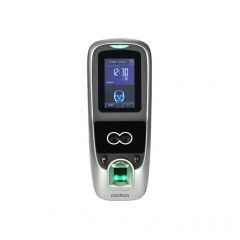
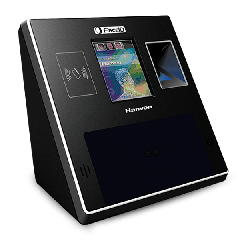
A complete door access control system may include access control device, RFID card reader, fingerprint reader, face recognition terminal, access control panel, door controller, EM lock, electric strike lock, exit button, door sensor, power supply, software and installation support. For larger projects, it can also connect with Access Control and Time Attendance System, turnstile gate, visitor management and smart automation.
Typical Access Control System Price Range in BD 2026
Access Control System Price in Bangladesh typically varies according to the device, authentication technology, user capacity, door hardware, software and installation requirements. Because GCTL provides project-based sales and service, the final cost is prepared according to the selected equipment and installation scope.| Types of Access Control | Price Range in (BDT) |
|---|---|
| Suprema BioLite N2 Access Control System | ৳45,000 – ৳75,000 |
| Anviz C2SR Outdoor Access Control System | ৳35,000 – ৳65,000 |
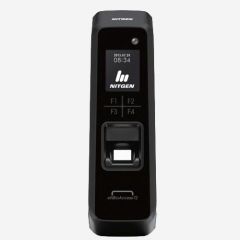
| Nitgen eNBioAccess T9 Access Control System | ৳35,000 – ৳65,000 |
| VARITO Biometric Access Control Terminal | ৳25,000 – ৳50,000 |
| VARITO VT-A102E Access Control System | ৳25,000 – ৳60,000 |
Main Types of Access Control Systems
Different access control systems are designed for different security levels, door types and user requirements. The right system depends on whether you need basic door access, biometric verification, RFID card entry, touchless face recognition, single-door control or multi-door centralized management.
Biometric Access Control System
A biometric access control system verifies users through unique biological features such as fingerprint or face recognition. It is suitable for offices, factories, garments, banks, hospitals and corporate buildings where secure identity verification is important.
Biometric access control is useful when organizations want to reduce unauthorized card sharing, improve staff verification and maintain accurate entry-exit records. It can also be connected with attendance reports and HR management workflows.
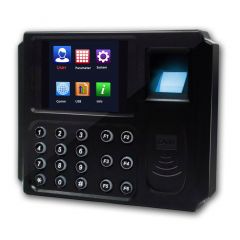
Fingerprint Access Control System
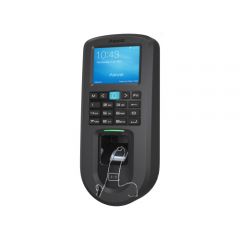
A Fingerprint Access Control System is one of the most popular access control solutions in Bangladesh. It verifies users through fingerprint authentication and can be used for office doors, staff rooms, server rooms, factories, schools and restricted areas.
Fingerprint access control systems are practical for employee entry control and time attendance management. Many models support RFID card, PIN code and TCP/IP communication, making them suitable for both small and medium-sized organizations.
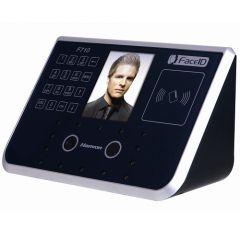
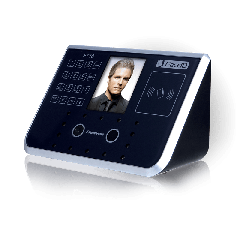
Face Recognition Access Control System
A Facial Recognition Access Control System is suitable for organizations that need faster, touchless and modern access control. It verifies a person’s face and allows or denies entry based on stored credentials.
Face recognition access control is useful for corporate offices, hospitals, banks, schools, factories and high-traffic entry points where quick verification is important. It can also support attendance tracking, visitor access and integration with door locks or turnstile gates.
RFID Card Access Control System
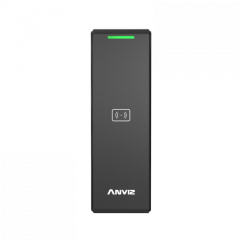
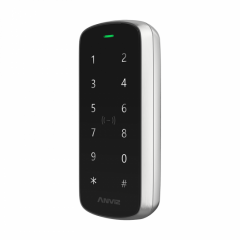
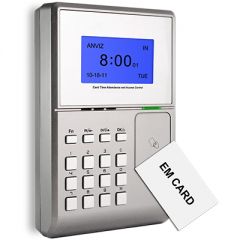
An RFID access control system allows authorized users to enter using RFID cards or proximity cards. It is commonly used in offices, apartments, schools, warehouses, commercial buildings and restricted areas.
RFID card access is simple, fast and practical for many organizations. It can be used as a standalone door access solution or combined with fingerprint, face recognition or PIN code for stronger security.
Single Door and Multi Door Access Control System
A single door access control system is suitable for small offices, server rooms, store rooms, labs and restricted spaces where one door needs controlled access. It usually includes an access control device, lock, exit button and power supply.
A multi door access control system is suitable for corporate buildings, factories, hospitals, banks, universities and commercial facilities where multiple doors or floors need centralized control. It may require access control panels, network controllers, software and professional installation planning.
Access Control Panel, Reader and Door Controller
An access control panel or door controller manages access permission between users, readers and locks. It can support RFID readers, biometric readers, Wiegand readers, door sensors and exit buttons depending on system design.
For larger projects, access control panels are useful when multiple doors need centralized management, access logs, real-time monitoring and integration with other security systems.
Access Control System with Time Attendance Integration
Access Control System with Time Attendance is highly useful for offices, factories, garments, schools and commercial organizations in Bangladesh. It helps control door access while also recording employee entry and exit time for attendance management.
GCTL Security provides access control solutions that can work with Time Attendance Machine, attendance software, shift reports, access logs and HR management requirements. This is useful for companies that want both workplace security and attendance reporting from one integrated system.
Common integration options include RFID card access, fingerprint access, face recognition access, PIN code access, attendance report, shift report, access log, user management and software-based monitoring.
Which Access Control System Is Right for Your Use Case
The right access control system depends on door type, user volume, security level, reporting need, installation environment and budget. A small office may need a standalone fingerprint access control system, while a factory or corporate building may need multi-door access control with software and attendance reporting.
Access Control System for Office
Offices need access control systems for main doors, staff areas, meeting rooms, server rooms and restricted departments. Fingerprint, RFID and face recognition access control systems can be selected depending on user count and security requirement.
Access Control System for Factory and Garments
Factories and garments need access control for worker entry, admin areas, production floors, warehouses and restricted zones. Fingerprint access, RFID card access, time attendance and turnstile integration can help manage staff movement and reporting.
Access Control System for School and University
Schools, colleges and universities can use access control systems for admin rooms, labs, libraries, staff areas, student entry points and dormitory access. RFID card, fingerprint or face recognition can be selected depending on campus policy.
Access Control System for Bank and Financial Institution
Banks and financial institutions require strong door access control for vault areas, server rooms, cash areas, staff zones and management rooms. Biometric access control, access logs and CCTV integration are important for this type of security setup.
Access Control System for Apartment and Commercial Building
Apartments and commercial buildings need access control for main entrance, lobby, parking access, lift access, service areas and restricted floors. Door access control can be integrated with visitor management, CCTV and building security systems.
Access Control System for Server Room and Data Center
Server rooms and data centers need strict access control because they contain critical IT infrastructure. Biometric access, RFID card access, access logs, CCTV and visitor records can help protect sensitive equipment and data areas.
Access Control Brand and Technology Comparison
Different access control brands and technologies are suitable for different project types. The best choice depends on security level, user capacity, authentication method, software support, installation environment and after-sales service.
| Brand / Technology | Key Strengths | Best For | Important Consideration |
|---|---|---|---|
| ZKTeco Access Control System | Fingerprint, RFID, face recognition and attendance features | Offices, factories, schools and commercial buildings | Model selection should match user capacity and software requirement |
| Suprema Access Control System | Premium biometric access control and enterprise security | Corporate buildings, banks and high-security projects | Higher budget and professional configuration may be required |
| Virdi Access Control System | Biometric access control and attendance integration | Factories, offices and enterprise projects | Device compatibility and software support should be checked |
| Anviz Access Control System | Fingerprint, RFID and time attendance features | Small to medium offices and factories | Select model based on user count and reporting requirement |
| Granding Access Control Time Attendance System | Biometric access control and attendance reporting | Offices, factories and HR attendance projects | Software integration should be planned in advance |
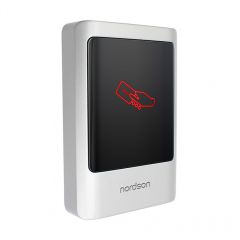
| Nordson Access Control System | Door lock, reader and access control solution support | Door security and access control projects | Lock/accessory compatibility should match the door type |
| Tipsoi Access Control System | Access control and time attendance device options | Office and business attendance projects | Check software, device and lock compatibility |
| KJTech Access Control Systems | Entrance and access control solution support | Building entrance and secured access projects | Project design should match entrance control needs |
| VARITO Access Control Time Attendance System | Access control, attendance and security management features | Corporate and commercial projects | Device compatibility and custom software support |
| RFID Access Control Technology | Fast card-based entry and simple user management | Offices, apartments, schools and commercial buildings | Cards can be shared, so policy control is important |
| Fingerprint Access Control Technology | Biometric identity verification | Offices, factories and restricted rooms | Finger condition and device quality matter |
| Face Recognition Access Control Technology | Touchless and fast verification | Corporate offices, hospitals, banks and high-traffic areas | Lighting, camera quality and placement matter |
Things to Consider Before Buying an Access Control System in Bangladesh
Before buying an Access Control System in Bangladesh, check your real security requirement instead of choosing only by device price. A successful access control project depends on the right authentication method, door lock, software, installation and support.
Important buying factors include:
- Office, factory, school, hospital, bank, apartment or commercial building requirement
- Single door or multi door access control requirement
- RFID, fingerprint, face recognition or PIN code authentication
- User capacity and log storage capacity
- TCP/IP, WiFi or USB communication support
- EM lock, electric strike lock or drop bolt lock requirement
- Door type: glass, wood, metal or frameless glass door
- Exit button, door sensor, power supply and backup requirement
- Time attendance report and access log requirement
- Visitor management or HR software integration
- CCTV, turnstile gate and elevator access integration
- Installation, configuration, warranty and after-sales support
For larger projects, access control systems should be planned after site assessment. Door structure, power point, network connection, user flow, emergency exit route and security workflow should be checked before final product selection.
Biometric vs RFID vs Face Recognition Access Control System
Biometric, RFID and face recognition access control systems are all useful, but each one is suitable for different security and operational needs.
| Comparison Point | Biometric Access Control | RFID Card Access Control | Face Recognition Access Control |
|---|---|---|---|
| Main Method | Fingerprint or biometric verification | RFID card or proximity card | Facial verification |
| Best Use | Offices, factories and restricted rooms | Offices, apartments, schools and commercial buildings | Corporate lobbies, hospitals, banks and high-traffic areas |
| Security Level | High | Medium | High |
| User Convenience | Good | Very easy | Fast and touchless |
| Attendance Support | Strong | Good | Strong |
| Risk Factor | Finger quality may affect recognition | Card sharing or card loss | Lighting and camera placement matter |
| Best For | Staff verification and secure rooms | Simple access control and quick entry | Premium access control and modern workplaces |
For basic door access, RFID card access control can be enough. For better employee verification, fingerprint access control is a practical choice. For modern, touchless and high-speed access, face recognition access control is a strong option.
Why Choose GCTL Security for Access Control System in Bangladesh
GCTL Security provides security and automation products in the Bangladesh market with a focus on practical solution planning, professional product selection and after-sales support. We understand that every office, factory, building and restricted area has different security requirements, so we help customers choose the right Access Control System based on actual use case, not only product name or price.
GCTL Security supports you with:
- Access Control System supply in Bangladesh
- Door access control system solution planning
- Biometric, RFID, fingerprint and face recognition access control guidance
- EM lock, exit button, reader, controller and access control accessories support
- Time attendance and access log reporting support
- CCTV, turnstile gate, visitor management and smart automation integration support
- Project quotation, installation guidance and after-sales service consultation
Buy Access Control System in Bangladesh from GCTL Security
If you are looking for the latest Access Control System Price in Bangladesh, GCTL Security can help you compare the right access control device, biometric method, RFID reader, face recognition terminal, lock accessory, software integration, installation scope and budget. Whether you need a fingerprint access control system for an office, a face recognition access control system for a corporate building, an RFID access control system for an apartment, or a complete door access control system for a factory, our team can guide you with the right solution.
Contact GCTL +88 01847213868 WhatsApp to get the latest price, product recommendation and project quotation for Access Control System in Bangladesh.
Frequently Asked Questions About Access Control System
1. What is the price of Access Control System in Bangladesh?
The price of Access Control System in Bangladesh depends on brand, model, authentication type, user capacity, log capacity, lock type, software requirement, installation location and project scope. Contact GCTL Security for the latest project-wise quotation.
2. What is an Access Control System?
An Access Control System is a security solution that controls who can enter or exit a door, room, building or restricted area using RFID card, fingerprint, face recognition, PIN code or biometric verification.
3. Which access control system is best for office?
For offices, fingerprint access control, RFID card access control or face recognition access control can be used depending on user number, door type, security level and attendance reporting requirement.
4. Which access control system is best for factory or garments?
For factories and garments, biometric access control with time attendance integration is usually practical because it helps manage worker entry, staff movement and attendance records.
5. What is the difference between biometric and RFID access control?
Biometric access control verifies a person through fingerprint or face recognition, while RFID access control uses a card or tag. Biometric systems offer stronger identity verification, while RFID systems are simple and fast for daily access.
6. Can access control system work with time attendance?
Yes, access control systems can work with time attendance features to record employee entry and exit time. This is useful for offices, factories, garments, schools and commercial buildings.
7. Can access control system integrate with CCTV?
Yes, access control can be integrated with CCTV monitoring depending on project requirement. This helps improve security by connecting entry records with video monitoring.
8. What accessories are needed for a door access control system?
Common accessories include EM lock, electric strike lock, drop bolt lock, exit button, door sensor, power supply, RFID card, reader and mounting brackets.
9. Can access control system connect with turnstile gate?
Yes, access control systems can connect with turnstile gates for controlled pedestrian entry. This is useful for offices, factories, schools, commercial buildings and high-security facilities.
10. Does GCTL Security provide access control installation support?
Yes, GCTL Security provides product recommendation, project consultation, installation guidance, configuration support and after-sales service consultation for Access Control System projects in Bangladesh.